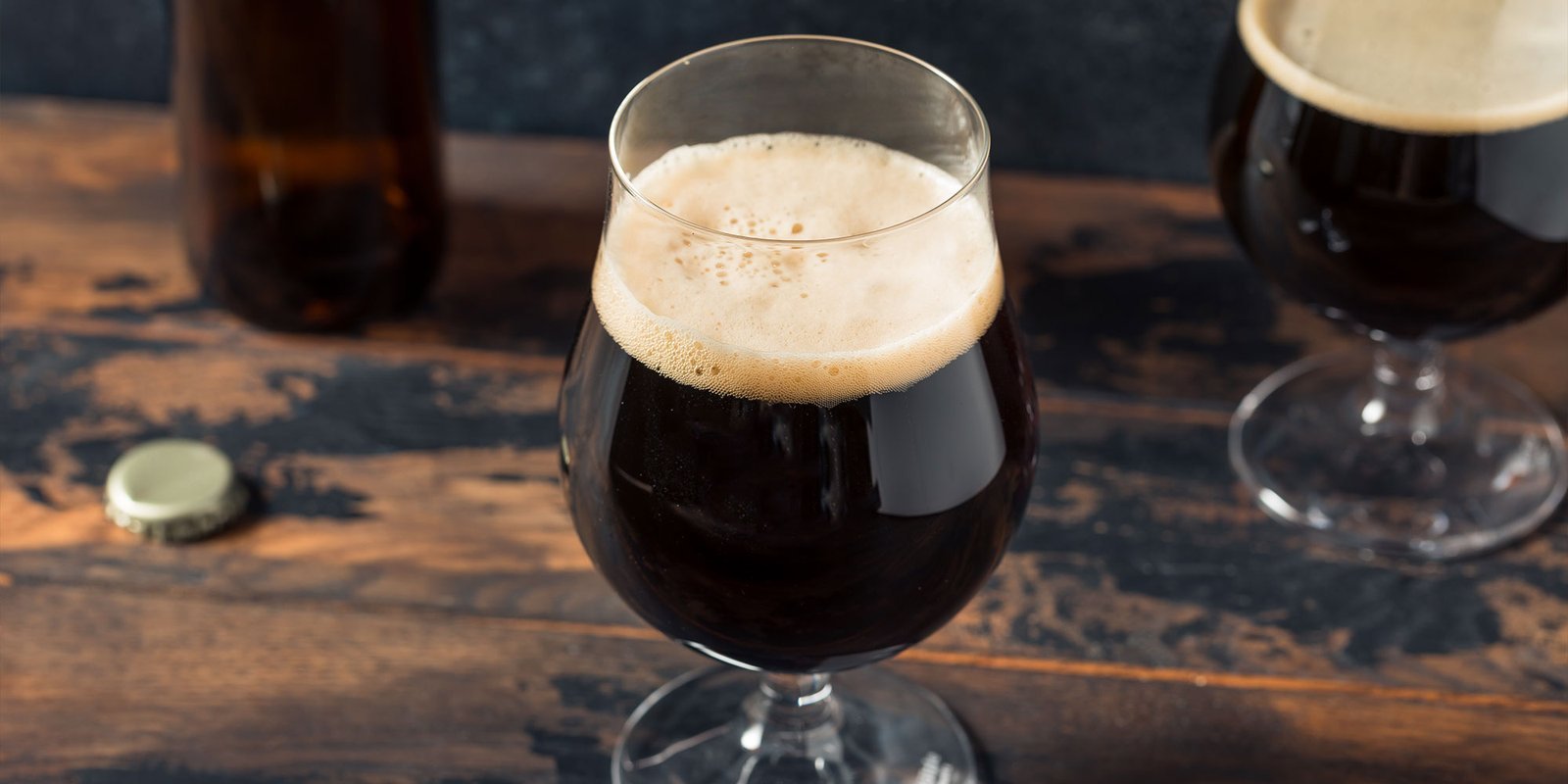
Stout beer, with its inky black color and deep, complex flavors, is a beloved staple in the world of beer. From the dark and creamy classics to the bold and innovative variations, stout beer has a history as rich as its taste. When it comes to stout beers, Guinness often takes the spotlight, especially locally. Even though it is one of my favorite beers and it is still one of the greatest stouts out there, there are other exceptional stouts out there waiting to be discovered.
A Historic Journey
The origins of stout beer are firmly rooted in the historical tapestry of Europe’s brewing heritage. The term “stout” initially described a strong or robust beer, and it emerged from the broader category of porter beers in 18th century Britain.
Porter’s Evolution: As the popularity of porters soared, breweries began producing stronger and more potent versions. These robust, dark brews were initially called “stout porters” but eventually came to be known as “stout” on its own.
Irish Influence: Ireland played a crucial role in shaping the stout landscape, notably with the founding of the Guinness brewery by Arthur Guinness in 1759. The introduction of nitrogen gas in the 1950s gave rise to the iconic Guinness Draught, famed for its smooth, creamy texture and roasted malt flavors.

The Rise of Russian Imperial Stout: During the 18th century, a special version of stout, the Russian Imperial Stout, gained popularity. Brewed with higher alcohol content and extra hops, it was exported to Russia and earned favor with the Russian Imperial Court. Modern interpretations, like Old Rasputin, carry on the tradition of this bold style.
Craft Beer Resurgence: The craft beer movement in the late 20th and early 21st centuries breathed new life into stout brewing. Breweries across Europe and the world began experimenting with ingredients, aging methods, and flavor profiles, diversifying the stout category.

From its origins as a stronger variant of a porter in 18th-century Britain to its global identity today, stout beer has continually evolved while retaining its core characteristics of depth, richness, and roasted complexity. This style has proven remarkably adaptable to changing tastes and brewing innovation. Modern breweries continue to push the boundaries of what stout can be, yet its historical roots remain clearly present in every pint. Ultimately, stout stands as one of the most enduring and versatile beer styles, bridging centuries of brewing tradition with contemporary creativity.