From Accident to Icon
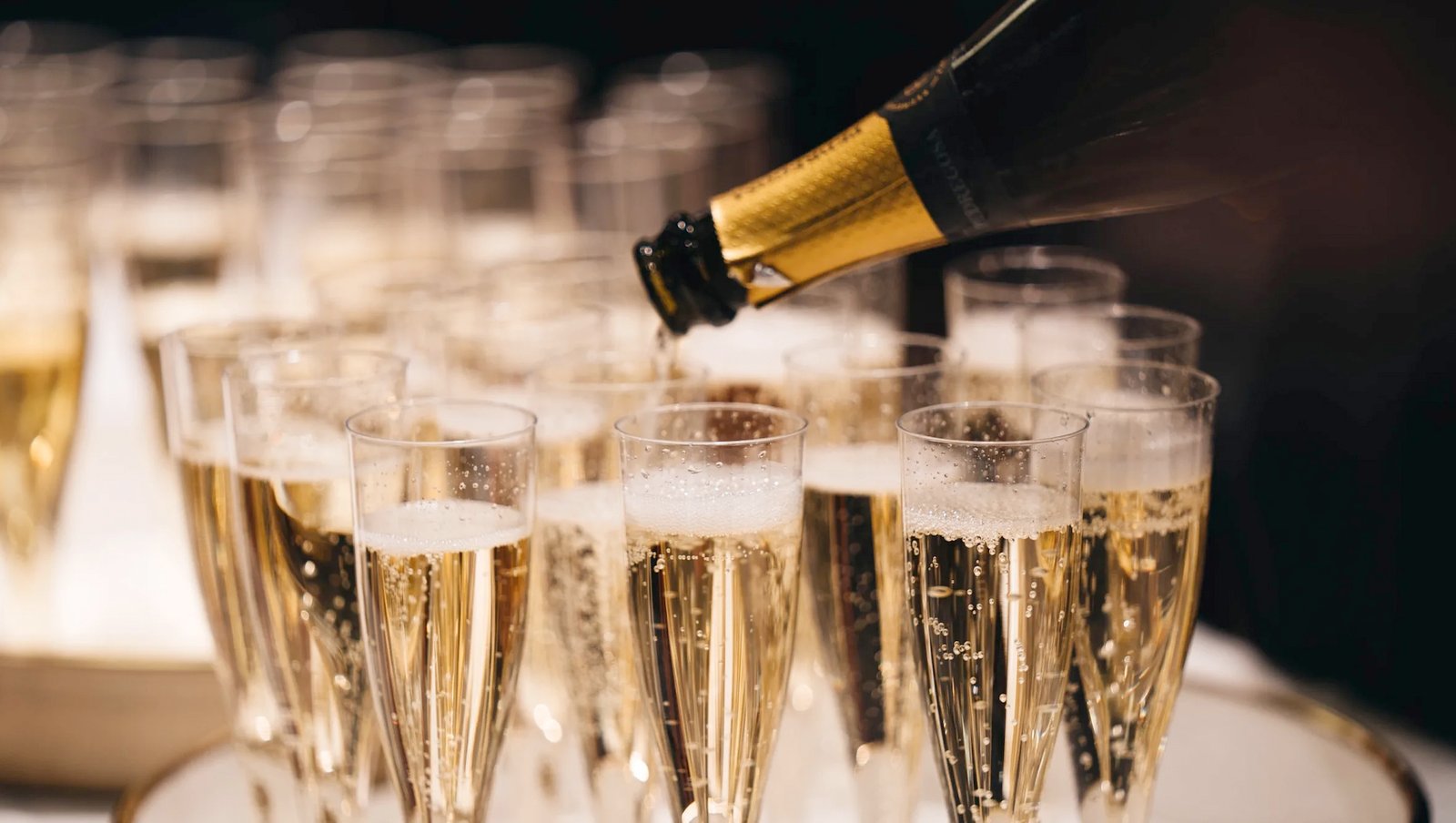
Champagne is synonymous with celebration and wealth. From weddings to New Year’s Eve and the prestigious Grand Prix, it is the drink we reach for when the moment matters.
But what if we told you, it was never meant to fizz?
An Accidental Beginning
The story of Champagne begins in the Champagne region of France (obviously), where winemakers were originally trying to produce still wines, similar to those found in other parts of the country.
However, the region’s cold winters created a unique problem. Fermentation would often stop prematurely as temperatures dropped, leaving residual sugar in the wine. When spring arrived and temperatures rose again, fermentation would restart inside the bottle.
This secondary fermentation produced carbon dioxide, and with nowhere to escape, pressure built up inside the glass bottle.
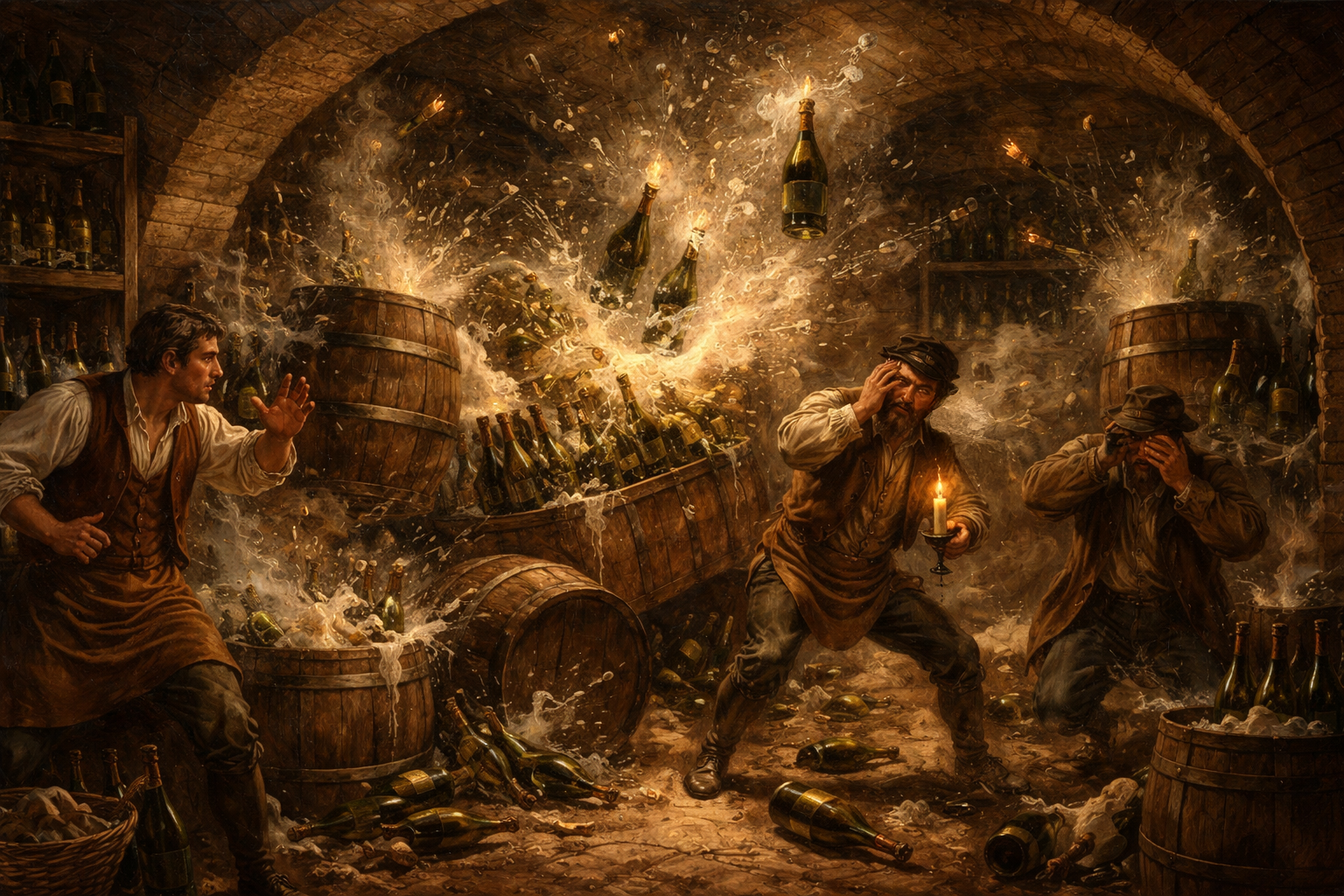
The result…bubbles, popping or corks and a lot of explosions.
Bottles would burst in cellars, sometimes triggering chain reactions that destroyed entire batches. At the time, this was not seen as innovation, it was seen as a flaw. Champagne was even nicknamed “the devil’s wine” because of its unpredictable nature.
Understanding the Bubbles
Over time, winemakers began to better understand what was happening inside the bottle. Instead of fighting the bubbles, they started learning how to control them.
One of the most famous figures associated with this evolution is Dom Pérignon, a Benedictine monk who worked to improve the quality of wines in the region. While he did not invent Champagne as many believe, his contributions to blending grapes and refining production methods played a key role in its development.
Advancements in glassmaking also helped. Stronger bottles reduced breakage, and improved corking methods allowed producers to safely contain the pressure created during fermentation.
Gradually, what was once a defect became a defining feature.
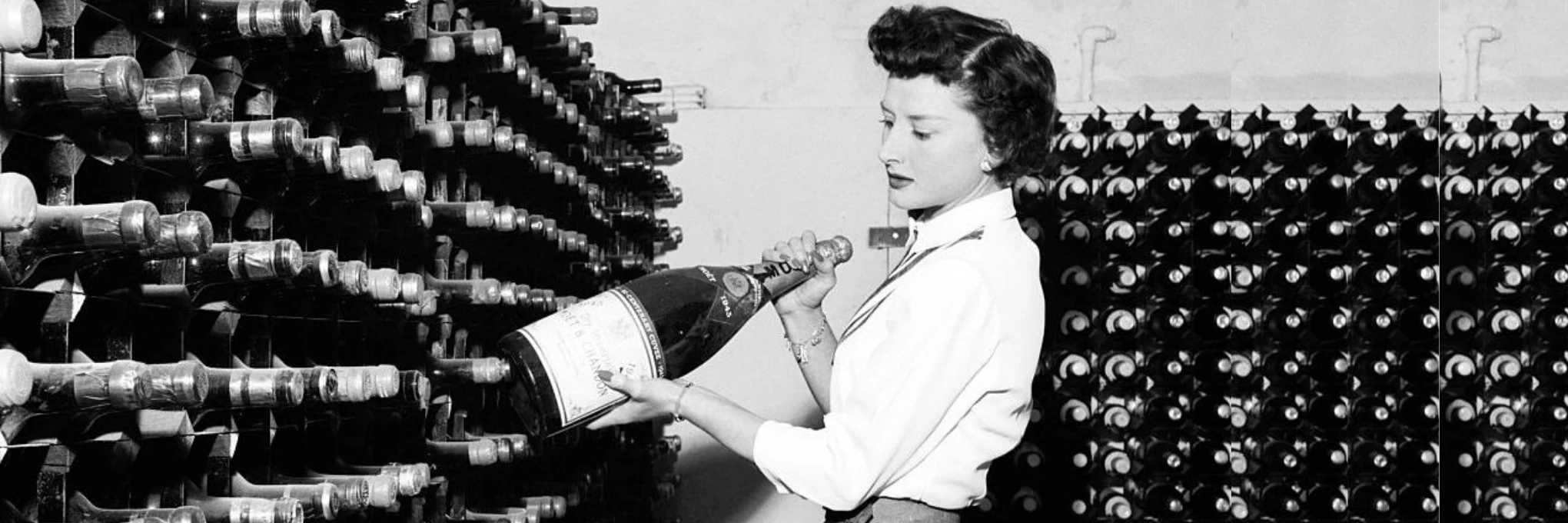
The Rise of a Luxury Drink
By the 18th century, Champagne began gaining popularity, particularly among the French aristocracy and European elite. Its effervescence made it stand out from other wines, and it quickly became associated with wealth, status, and celebration.
Producers began refining the process further, leading to the development of what we now know as the traditional method, where the second fermentation takes place in the bottle under controlled conditions.
As production improved, so did consistency, and Champagne’s reputation grew internationally.
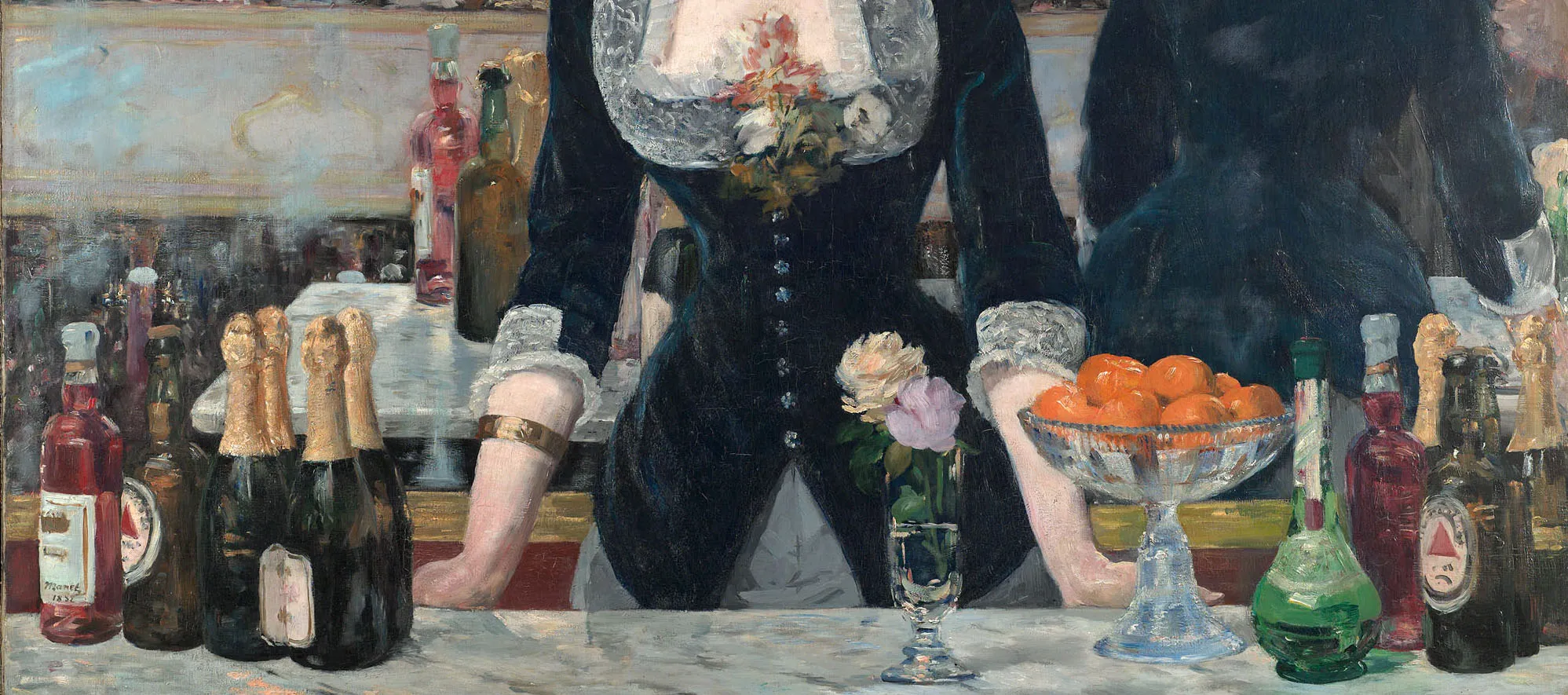
Champagne Today
Today, Champagne is one of the most regulated and respected drinks in the world. By law, only sparkling wine produced in the Champagne region of France, using specific methods and grape varieties, can carry that name.
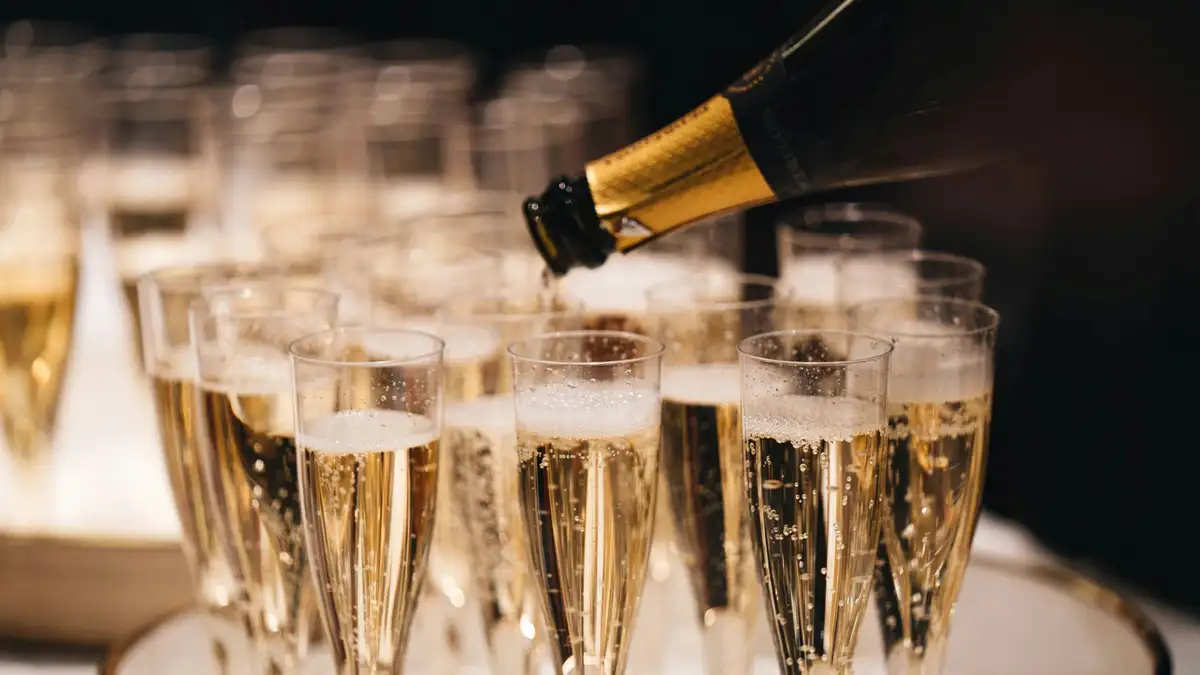
It has evolved from an unstable, misunderstood product into a global symbol of celebration, craftsmanship, and precision.
Yet at its core, the magic of Champagne remains the same, a natural reaction, discovered by chance, perfected over time.
And today, every time you hear that pop, you are experiencing a happy accident that changed drinking culture forever.